










Helping you Choose the Perfect Prescription Hearing Aid
Duncan Hearing Healthcare has so many options available that choosing the perfect prescription hearing aid can be overwhelming. Our trustworthy team has top-level technical knowledge to help make it easier.
If you’re dealing with a hearing loss, one of the best ways to help continue your active lifestyle without skipping a beat is with advanced-technology hearing aids.
We offer, fit, and maintain several different makes and models of hearing aids, so you can rest assured that your choice of hearing aid will be the best fit for you and your hearing needs.
Thanks to our comprehensive assessment, professional guidance, fitting programming, and consistent follow-up care, we make a big difference in how you view your hearing aid investment.
The Different Types of Prescription Hearing Aids
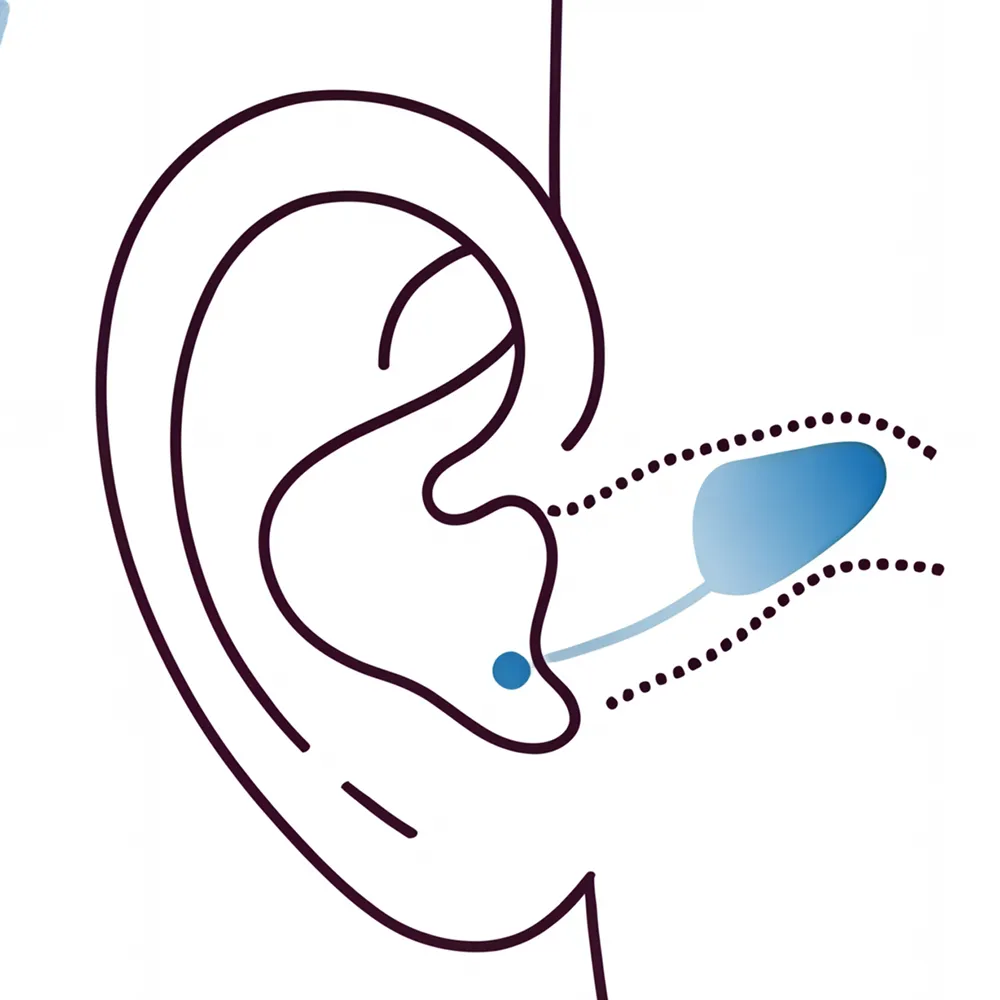
Invisible-In-Canal (IIC) – Tiny & Often Invisible
If you have mild to moderate hearing loss, then IIC hearing aids are a viable style choice. They come custom-fitted to the unique shape of your ear canal, and in a choice of colors. The most unique feature of IICs are their deep insertion into the ear canal.
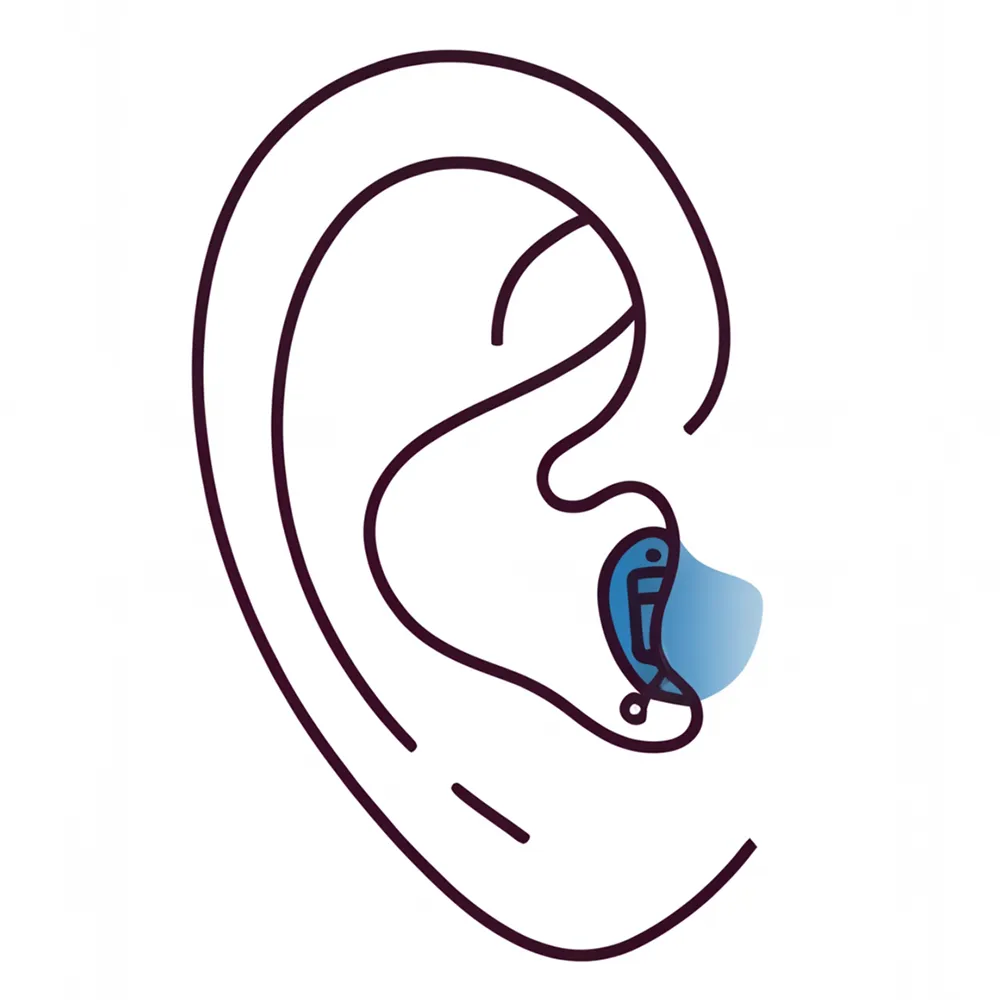
Completely-In-The-Canal (CIC)
The CIC hearing aid can be a great option for mild to severe hearing loss with cosmetic concerns. They are mostly invisible and a bit more powerful than the smaller IIC option.
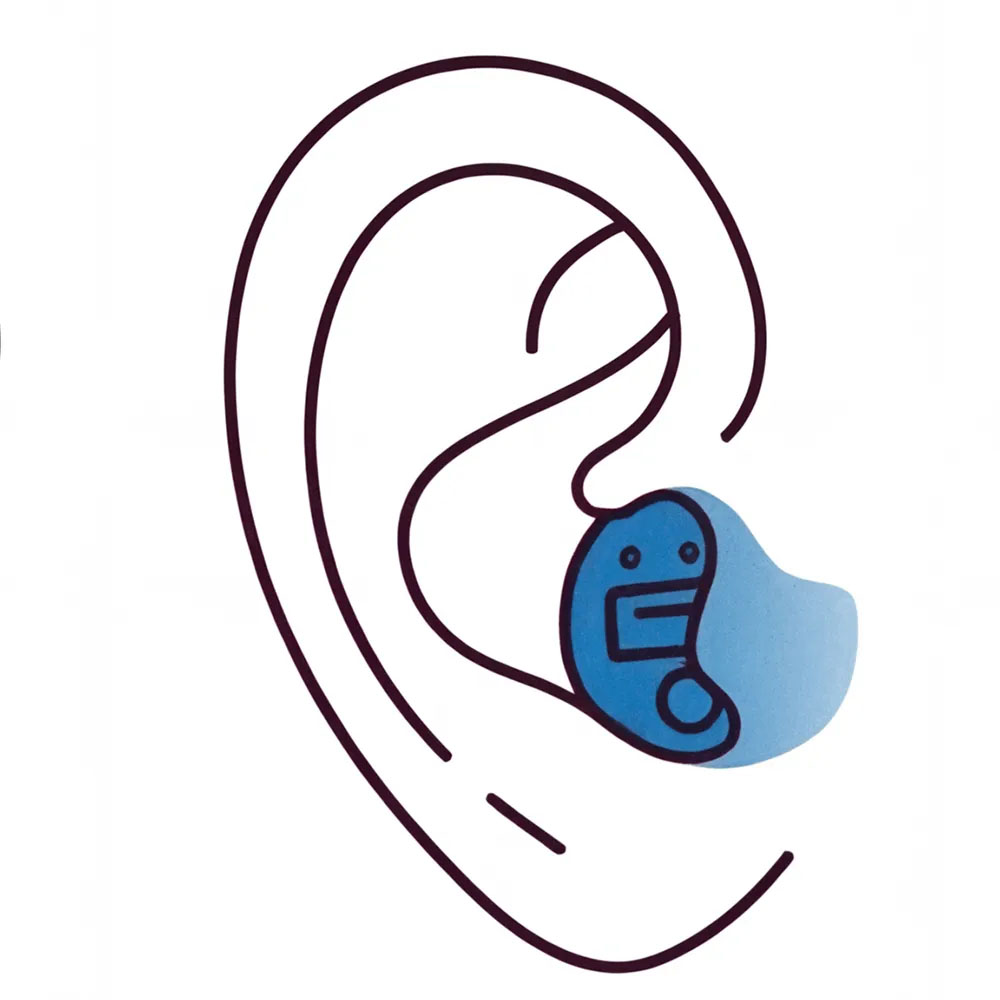
In-The-Canal (ITC)
Another option for patients with mild to severe hearing loss is the ITC hearing aid. Because of its slightly larger size, it uses size 312 batteries, allowing wireless capabilities for smartphone streaming.
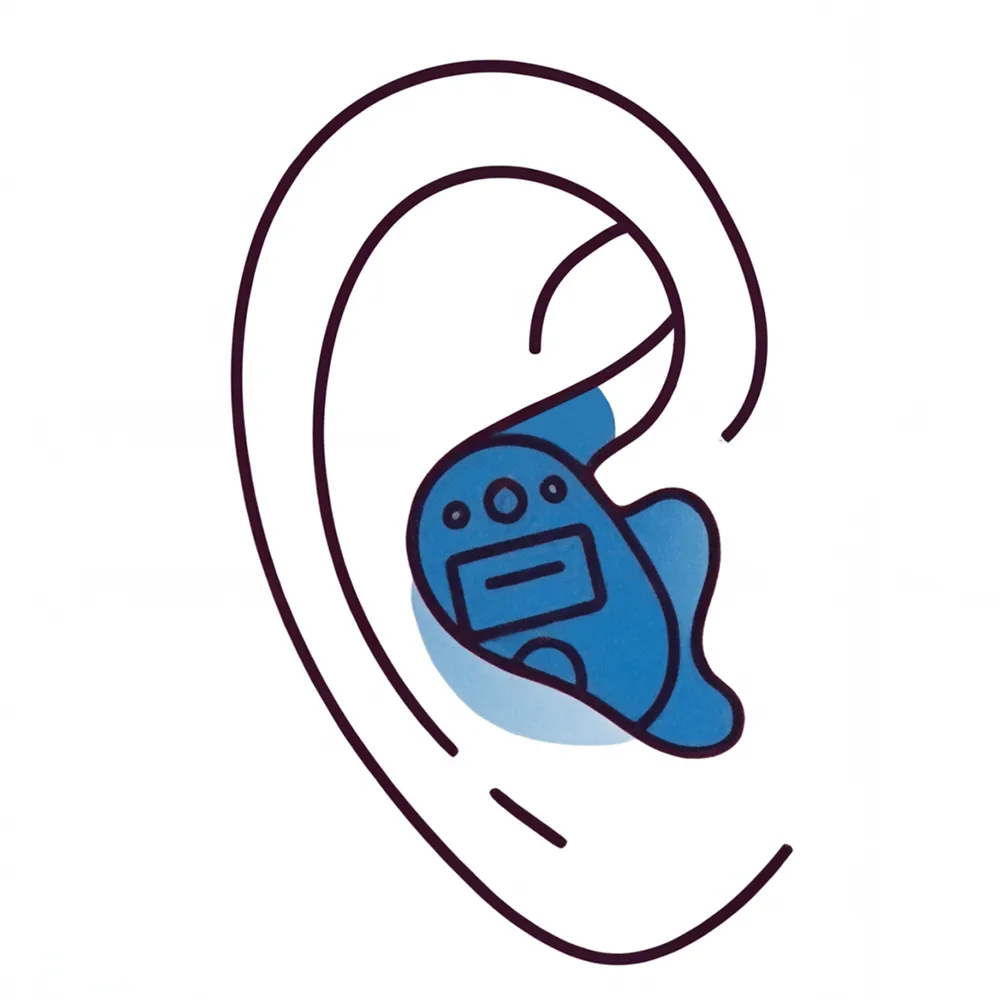
In-The-Ear (ITE)
Mildly severe to severe hearing loss patients might find ITE hearing aids to their liking. They feature a sleek design, which fits perfectly to the outer entrance of the ear canal. Features include: comfortable, maximum hearing coverage, available in a variety of colors, custom made to match your skin tone.
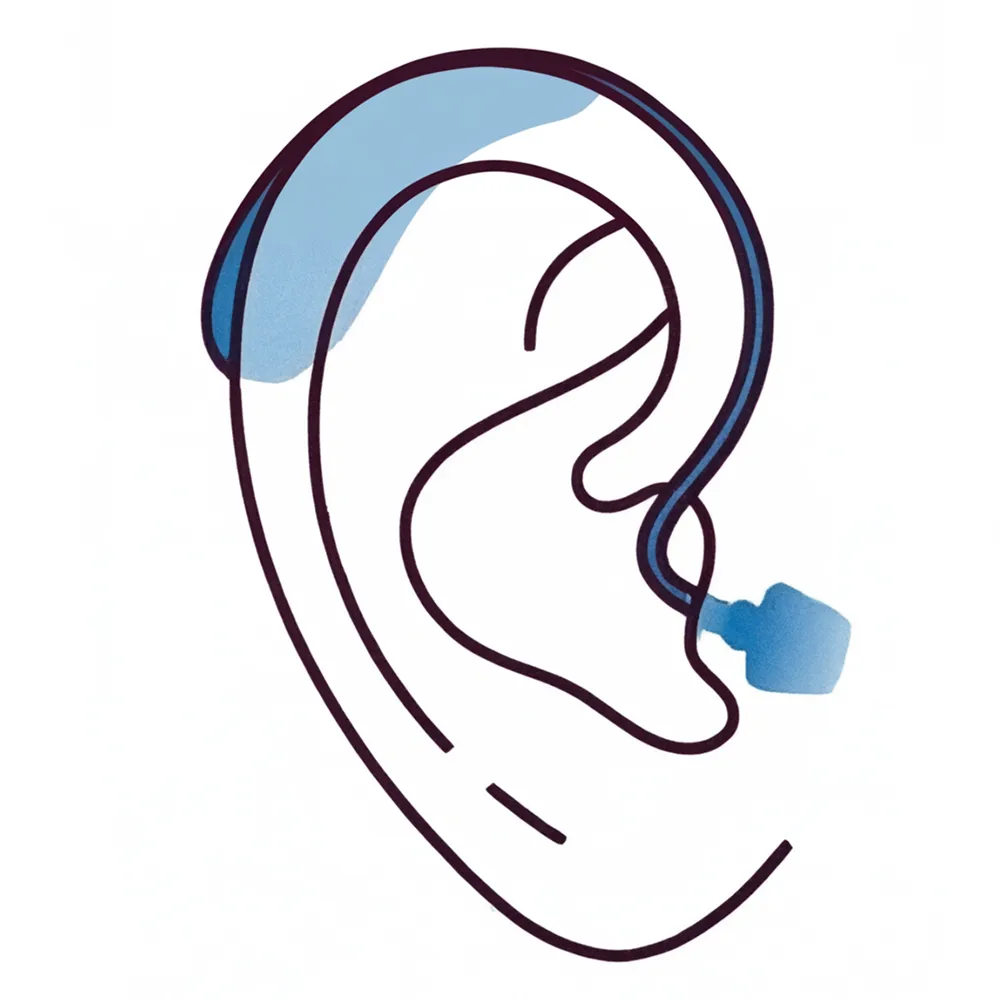
Receiver-In-The-Ear (RIC)
RIC style hearing aids are the most versatile hearing instrument on the market and a firm favorite among many audiologists. The receiver or speaker inserts into the ear canal for better sound quality and near invisibility. RIC units provide an easy in-office repair solution or an amplification upgrade if necessary as well as a full spectrum of smartphone streaming.

Behind-The-Ear (BTE)
Severe to profound hearing loss patients usually require the additional performance capabilities provided by behind-the-ear hearing aids. Though not invisible, this instrument is more streamlined and lighter weight than its predecessors. Its technology is housed in the casing of these hearing aid, placed behind the ear while the clear plastic acoustical tube sends the amplified sounds into a customized earmold fitted inside the ear canal.
How We Test Your Hearing Aids in Real-World Noise






+5
300+ Happy Patients
I’m no longer nodding my head at something I think I heard
To anyone concerned about their hearing, I’d say it would be the best gift you can give yourself and your family. I often tell my husband, “I think I’ll put my hearing aids in now,” and he replies, “I would very much appreciate that”—it’s a standard joke with us.
Sandra B.